How Accurate Is a Zestimate for Selling Your House in 2026?
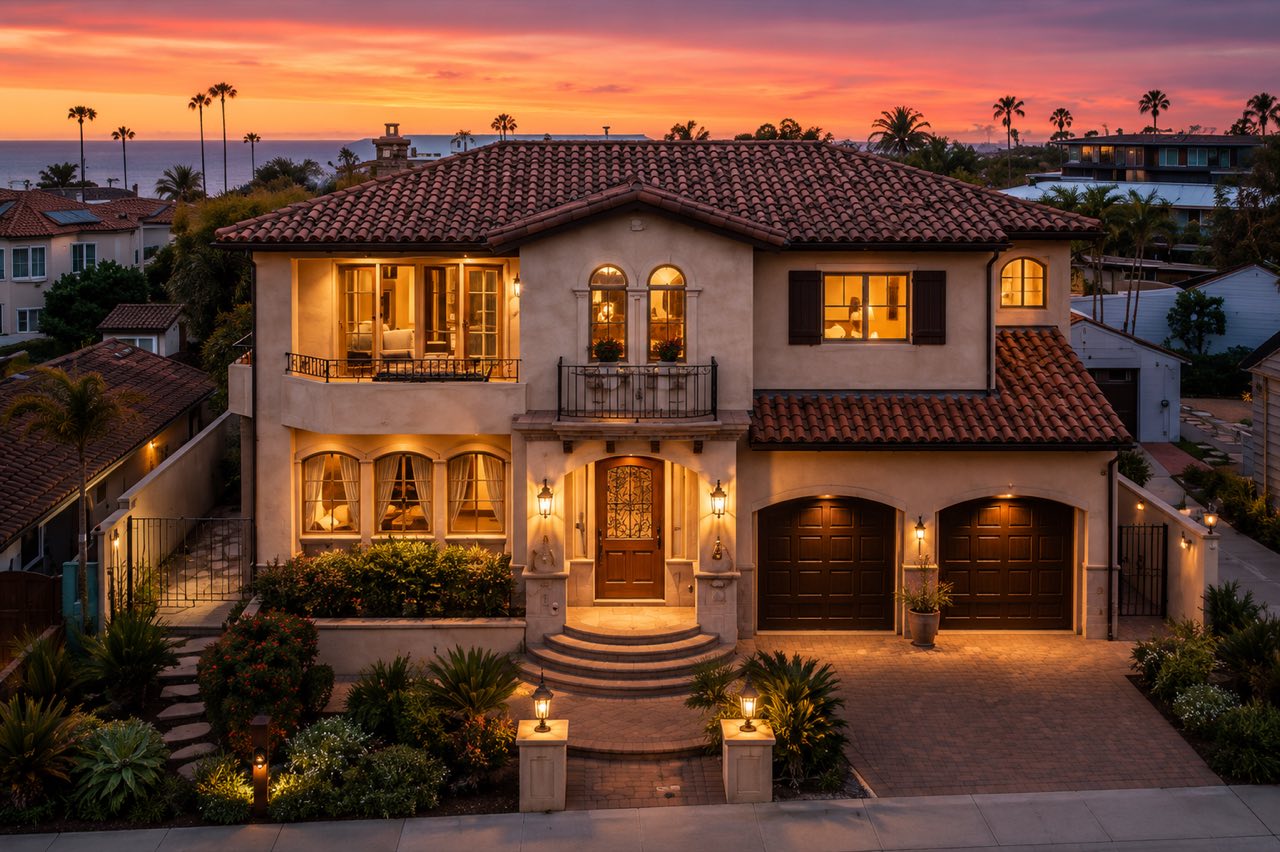
Automated valuation models like Zestimate give you a number in seconds, but that speed comes with blind spots. The estimate draws from public records, prior sales, and tax assessments; it does not walk through your kitchen remodel, measure your lot slope, or know that three comparable homes closed escrow last week. Understanding what the algorithm can and cannot see helps you decide which number to trust when you price your home for sale.
What does Zestimate actually measure?
Zestimate and similar tools apply statistical models to millions of property records, looking for patterns between home characteristics and sale prices. The algorithm ingests square footage, lot size, bedroom and bathroom counts, prior sale dates, and tax-assessed values. It may also incorporate user-submitted updates if the platform allows homeowners to claim and edit their listing. The output is a point estimate and, in many cases, a range that reflects the model's uncertainty.
Because the data set is public and backward-looking, the model sees what has already closed, not what buyers are willing to pay today. It cannot observe condition, finishes, floor-plan flow, or deferred maintenance. It does not know that your neighbor's sale was an estate liquidation or that a new employer just announced a local expansion. Those factors move prices in real time; the algorithm catches up only after the next wave of sales records becomes public, often weeks or months later.
Zillow publishes metro-level accuracy statistics on its website, reporting median absolute error as a percentage of sale price. A median error in the low single digits means half of all estimates fall closer to the eventual sale price and half fall farther away. In markets with frequent turnover and homogeneous housing stock, the model performs better; in areas with custom builds, large lots, or thin sales volume, error rates widen. Individual estimates can miss by double-digit percentages, and the range Zillow provides often spans tens of thousands of dollars.
How accurate is Zestimate when you are ready to sell?
Accuracy depends on how much relevant, recent data the algorithm can access. If your neighborhood has seen a dozen sales in the past three months and the homes are similar in age and size, the model has a strong foundation. If sales are sparse, or if your home has unique features - a detached studio, a view lot, a recent addition - the algorithm lacks the granular comparables it needs to converge on the right number.
Condition is the largest blind spot. A home with original 1980s finishes and a home with a new kitchen, new roof, and refinished floors may look identical in the tax record. The algorithm assigns them similar values; the market does not. The difference can easily reach five or ten percent of sale price, and in higher-price markets that gap translates to six figures.
Timing is the second constraint. Automated models update on a schedule - daily, weekly, or monthly depending on the platform - but they rely on closed-sale data that lags the present by thirty to sixty days. If mortgage rates dropped last month or a new employer announced layoffs, buyer behavior shifts immediately; the algorithm will not reflect that shift until the next batch of sales closes and enters the public record. A comparative market analysis prepared by a licensed agent incorporates pending sales, active listings, and price reductions that have not yet reached the algorithm's training set.
> Automated valuation models like Zestimate estimate home values using public records, prior sales, and property characteristics visible in tax data, but they do not account for interior condition, recent upgrades, micro-market shifts, or real-time buyer sentiment. As of September 2026, median error rates vary by metro area and housing type; individual estimates can miss by tens of thousands of dollars, especially in markets with sparse sales or unique properties. These tools serve as a starting point for research, not a substitute for a comparative market analysis or a licensed appraisal. This summary does not address commercial property, land valuation, or new construction pricing.
Why do automated valuations differ from agent pricing?
A comparative market analysis starts with the same public data but adds layers the algorithm cannot access. The agent walks the interior, notes finish quality, measures functional obsolescence, and compares your home to others currently on the market. Active listings set the ceiling - buyers see them and form expectations - while pending and closed sales establish the floor. An experienced agent also weighs days on market, price reductions, and showing feedback, signals that reveal whether supply or demand holds the upper hand in your price tier.
Agents also understand hyperlocal factors: the elementary school boundary that adds a premium, the busy street that subtracts value, the lot orientation that matters to buyers in your climate. Algorithms approximate these variables with broad geographic tags, but they cannot distinguish between the north and south side of the same block. A one-block difference can mean a ten percent swing in sale price; the model averages across the neighborhood and lands somewhere in between.
Finally, an agent prices for the current market, not the past. If inventory has doubled in sixty days, the agent will price below recent closed sales to attract offers quickly. If bidding wars have returned, the agent may price at or slightly below market to generate competition. The algorithm, anchored to lagged data, cannot anticipate or respond to these tactical decisions. It reports what has happened; the agent predicts what will happen in the next two weeks, the window that determines whether your home sells at, above, or below its potential.
Which number should you trust when listing your home?
Use the automated estimate as a sanity check and a conversation starter, not a listing price. If Zestimate says $450,000 and an agent suggests $520,000, ask for the comparables that justify the gap. If the agent's number is lower, ask what the algorithm missed - perhaps a busy street, a difficult floor plan, or a glut of competing inventory. The best pricing decision synthesizes multiple data points: the automated estimate, a formal comparative market analysis, your own research on active listings, and, if you are near closing, an appraisal ordered by the buyer's lender.
Be especially cautious if your home has features the algorithm cannot see. A recent kitchen remodel, new HVAC, a finished basement, or a detached accessory dwelling unit all add value that public records do not capture until you sell and the new data enters the system. Conversely, deferred maintenance, an outdated layout, or a problem lot can subtract value the model does not detect. In either case, the automated number will be wrong in a predictable direction, and you need human judgment to correct it.
If you want competing opinions without the pressure of sequential interviews, consider posting your home to a platform where multiple agents submit written proposals. You receive several comparative market analyses at once, each with its own pricing rationale and marketing plan, and you control the timeline and the conversation. No one calls you; you reach out when you are ready to move forward. See what your home may be worth and compare the range of professional opinions against the automated estimate you already have.
| Data source | Strengths | Limitations |
|---|---|---|
| Zestimate / AVM | Instant, free, covers millions of properties | No interior access, lagged data, cannot adjust for condition or micro-market shifts |
| Comparative market analysis | Current listings, agent expertise, condition adjustments | Requires agent engagement, may reflect agent's market positioning |
| Licensed appraisal | Lender-accepted, interior inspection, manual comparable selection | Costs several hundred dollars, ordered after offer acceptance, backward-looking |
Pricing a home well means knowing which number answers which question. The automated estimate tells you what the algorithm thinks your home was worth based on stale data. The comparative market analysis tells you what an agent believes buyers will pay today. The appraisal tells the lender whether the contract price is defensible. All three numbers can differ by five percent or more, and the one that matters most is the price at which a qualified buyer makes an offer you accept. Start with the algorithm, validate with human expertise, and price for the market you face right now, not the one the model remembers from two months ago.
Common questions
Can I list my house at the Zestimate price?
You can, but it is rarely optimal. Zestimate and similar tools lack data on condition, recent updates, and showing feedback that influence buyer behavior. A comparative market analysis from a licensed agent incorporates those factors and reflects what buyers are currently willing to pay in your specific neighborhood.
How often is Zestimate wrong?
Zillow publishes median error rates by metro area; nationally the median absolute error hovers in the low single-digit percentage range, but that means half of all estimates miss by more. In markets with few recent sales or diverse housing stock, individual errors can exceed ten percent, translating to five-figure swings on a typical home.
Do appraisers use Zestimate?
Licensed appraisers do not rely on automated valuations for the appraisal report required by lenders. They perform an interior inspection, select comparable sales manually, and adjust for differences in size, condition, and features. The appraised value often differs from any algorithm estimate because it incorporates data the algorithm cannot see.
Related posts
Overpricing a home triggers a cascade of costs: longer market time, forced price cuts, lower final sale prices, and agent reluctance. Learn the mechanics.
Sep 9, 2026How to Sell a House Without Cold Calls or Spam in 2026Learn how sealed-proposal platforms and homeowner-initiated contact let you sell your home without sharing your phone number or fielding agent spam.
Aug 26, 2026What Drives Real Estate Agent Commission Rates in 2026?Agent commission on home sales varies by market, service level, and negotiation. Understand the factors that shape the rate you pay.