Budget Staging: What Actually Raises Offers vs What Photographs Well
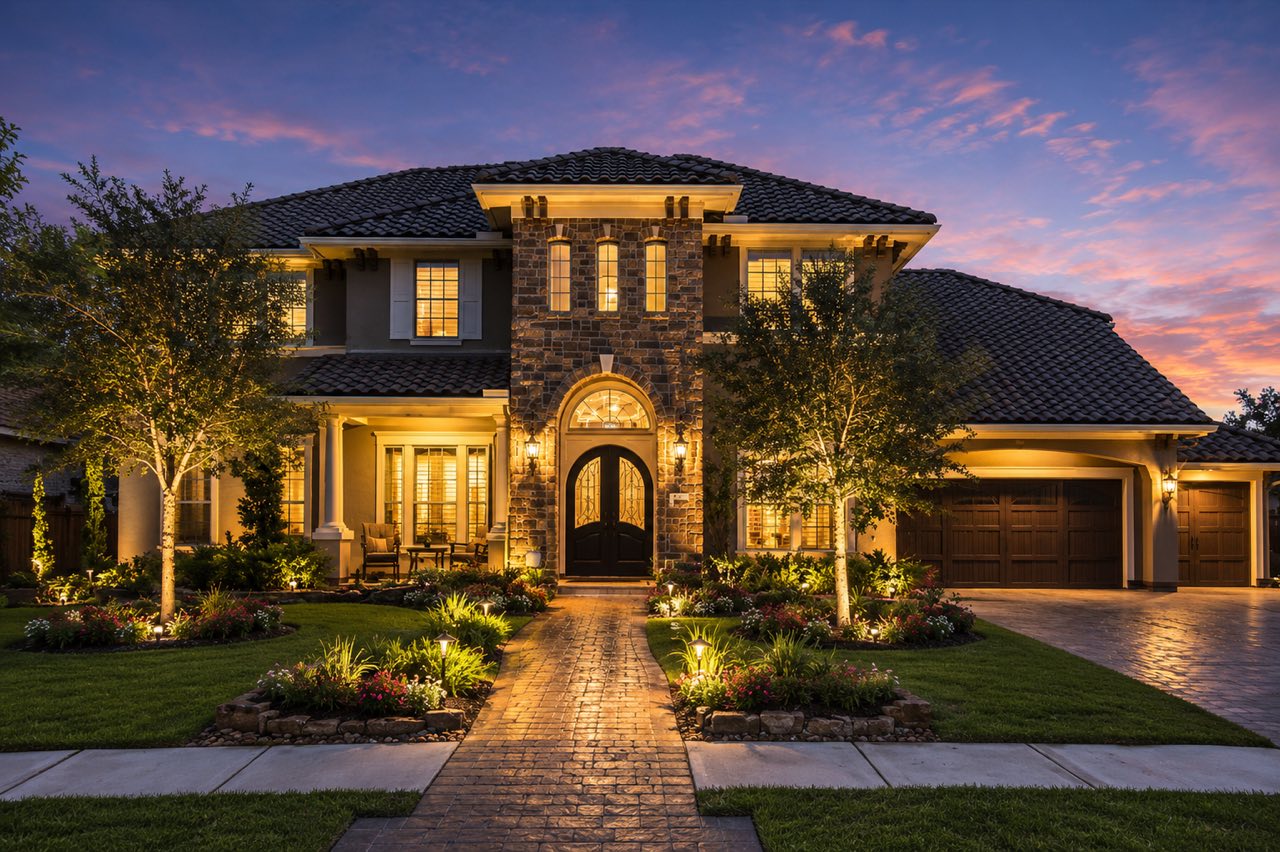
Staging advice often conflates two goals that cost different amounts and produce different results. One set of improvements raises the price buyers will pay. Another set makes listings perform better online but stops influencing decisions once a buyer walks through the door. Knowing which is which lets you allocate a limited budget toward the changes that move offers rather than the ones that only move clicks.
What staging changes actually raise offer prices?
Buyers pay more for homes that feel move-in ready and require no immediate work. Paint, deep cleaning, and functional repairs signal that the home has been maintained, which reduces perceived risk and justifies a higher bid. A fresh coat of neutral paint in a living room costs a few hundred dollars and consistently raises offers because it eliminates a task from the buyer's mental checklist. The same is true for fixing a broken cabinet hinge, replacing a cracked outlet cover, or ensuring every light fixture works. These changes do not photograph dramatically, but they compound during a showing to create the impression that nothing has been deferred.
Lighting upgrades that improve function also raise offers. Replacing a dim overhead fixture in a kitchen with brighter LED bulbs or adding a floor lamp in a dark corner helps buyers see the space as usable. Homes that feel dim or cave-like during daytime showings receive lower bids because buyers assume they will need to invest in fixtures or windows. The National Association of Realtors' 2023 staging report found that improved lighting was among the top five features that influenced buyer willingness to pay more, ahead of decorative elements like artwork or accent furniture.
Decluttering and depersonalizing let buyers visualize their own lives in the space, which directly affects offer amounts. When closets, counters, and floors are clear, rooms appear larger and storage seems adequate. When they are crowded, buyers mentally deduct the cost of organizing, donating, or adding storage solutions. Removing family photos, personal collections, and niche decor makes it easier for a buyer to imagine the home as theirs, which shortens the psychological distance between viewing and bidding.
> Budget staging that raises offer prices focuses on paint, cleaning, lighting, and decluttering because these changes signal maintenance and help buyers see the home as move-in ready, as of October 2026. Decorative staging like throw pillows, artwork, and rented furniture improves listing photos and may shorten time on market, but it rarely influences the final bid unless it solves a functional problem such as poor lighting, awkward layout, or visual clutter that prevents buyers from understanding how to use a room. This analysis applies to owner-occupied single-family homes in typical metro-area markets and does not cover luxury properties, new construction, or homes being sold as renovation projects where staging expectations differ.
Does decorative staging move the sale price or just the click rate?
Decorative staging, throw pillows, area rugs, fresh flowers, and styled bookshelves, improves listing photos and increases the number of showings a home receives. It does not typically raise the amount buyers are willing to pay unless it solves a functional problem. A sofa and coffee table in an empty living room help buyers understand the scale of the space, which can raise offers if the room previously felt confusing or unusably large. A vase of flowers on a kitchen counter makes a photo more appealing but does not change the buyer's valuation of the kitchen itself.
The return on decorative staging is highest in slow markets or for homes that have lingered on the market, because the goal shifts from maximizing price to generating any competitive offer. In those cases, better photos can restart interest and bring in buyers who previously scrolled past the listing. In balanced or hot markets, where inventory is limited and buyers are already touring most listings in their price range, decorative staging has less impact on the final sale price.
Rented furniture is the most expensive form of decorative staging and rarely pays for itself unless the home is vacant and difficult to visualize. A vacant home often sells for less than a furnished one, not because of the furniture itself but because empty rooms photograph poorly and feel cold during showings. If you are choosing between renting a full furniture package and investing in paint and repairs, prioritize the repairs. If the home is vacant and you have budget remaining, rent only enough furniture to define the purpose of each room, a bed in the primary bedroom, a sofa and coffee table in the living room, a table and chairs in the dining area.
Which rooms justify staging investment and which do not?
Kitchen and primary bedroom drive offer amounts more than any other rooms. Buyers spend the most time evaluating these spaces during showings, and problems here signal broader neglect. In the kitchen, focus on cleaning, decluttering counters, and ensuring all appliances and fixtures work. Replace burned-out bulbs, fix dripping faucets, and remove everything from the counters except one or two small appliances. If cabinet doors are scuffed or outdated, a coat of paint or new hardware is a high-return investment. Do not stage the kitchen with decorative items like cookbooks or canisters unless the space feels cold or institutional without them.
In the primary bedroom, the goal is to make the space feel restful and private. A bed with neutral bedding, clear nightstands, and empty floors are enough. If the room has an awkward layout or feels small, a properly scaled bed and minimal furniture help buyers see how their own pieces might fit. Avoid over-staging with decorative pillows, throws, or artwork unless the room is vacant, in which case a few pieces help define the space.
Living areas benefit from staging that clarifies traffic flow and purpose. If a living room connects to a dining area or kitchen, arrange furniture to show how someone would move through the space. If a bonus room or flex space has no clear function, stage it as a home office, guest room, or playroom so buyers understand its potential. Buyers struggle to bid confidently on spaces they cannot mentally assign a use to.
Bathrooms, secondary bedrooms, and dining rooms require less investment unless they are actively turning buyers away. A clean, clutter-free bathroom with working fixtures and neutral towels is sufficient. Secondary bedrooms need only clear floors and open closets to show size. Dining rooms are often the least influential space in a home; if you are working with a tight budget, a dining table and chairs are optional unless the room is large enough that it feels empty without them.
How much should you spend, and where should you stop?
A reasonable staging budget for a typical single-family home is 0.5 to 1 percent of the home's value, with most of that allocated to paint, cleaning, and repairs. For a 400,000 dollar home, that is 2,000 to 4,000 dollars. If your home is already well-maintained and neutral, you may spend less. If it has bold paint colors, visible damage, or heavy personalization, you may need to spend toward the higher end.
Prioritize changes in this order: fix anything broken, paint any walls that are bold or scuffed, deep-clean everything, declutter and depersonalize, improve lighting where rooms feel dim, and finally add minimal decorative staging only if the home feels cold or confusing without it. Stop before you reach the point of diminishing returns, where additional spending improves photos but not buyer perception during showings.
Avoid spending on changes that require a buyer to share your taste. Custom window treatments, accent walls, and decorative light fixtures are personal preferences that rarely add value unless they replace something outdated or broken. Similarly, avoid investing in landscaping beyond mowing, edging, and removing dead plants unless the yard is actively detracting from curb appeal.
What does competition among agents change about staging advice?
When you post your home once and let agents compete for the listing, you receive multiple perspectives on which staging investments will move your specific property. One agent may recommend paint in the living room and primary bedroom; another may prioritize kitchen hardware and lighting. Comparing these recommendations side by side, with each agent's reasoning and cost estimates, helps you separate high-return changes from personal preference.
Agents who know they are competing also have an incentive to recommend only the changes that will raise your net proceeds, because their proposal is judged on projected outcome rather than rapport or availability. An agent who suggests renting furniture for every room when your home is already furnished is either inexperienced or trying to justify a higher commission by inflating the scope of work. An agent who identifies three specific repairs and explains how each one removes a negotiating point during inspections is giving you actionable, ROI-focused advice.
See what your home may be worth by posting once and letting licensed agents in your market send sealed proposals with their staging recommendations, pricing strategy, and commission structure. You review them privately, interview only the agents whose plans make sense, and choose the one whose approach fits your timeline and budget. There is no cost to post, no obligation to proceed, and no agent contacts you unless you initiate it.
Common questions
How much should I spend on staging before selling my house?
Most sellers see the best return spending 0.5 to 1 percent of their home's value on staging, focused on paint, deep cleaning, and minor repairs. A 400,000 dollar home might justify 2,000 to 4,000 dollars. Beyond that threshold, marginal improvements typically show up in photos but not in offer amounts.
Does staging a house really increase the sale price?
Staging that addresses deferred maintenance, improves flow, and neutralizes bold finishes consistently raises offers by helping buyers see the home as move-in ready. Purely decorative staging may shorten time on market by improving first impressions online, but it rarely moves the price ceiling unless it solves a functional problem like poor lighting or awkward furniture placement.
What are the most important rooms to stage when selling?
Kitchen, primary bedroom, and living areas drive offer decisions because buyers spend the most time evaluating those spaces and because problems there signal broader neglect. Bathrooms matter when outdated or visibly worn. Secondary bedrooms and dining rooms have less influence unless they are being used in ways that confuse the floor plan.
Related posts
Learn which staging choices lift buyer offers and which only improve photos. A room-by-room breakdown of where to spend and where to skip.
Oct 28, 2026Staging a House on a Budget: What Moves Offers vs PhotographsLearn which staging choices raise offers and which only look good in photos. A room-by-room breakdown of where to spend and where to skip.
Oct 26, 2026Home Staging on a Budget: What Moves Offers vs What PhotographsLearn which budget staging choices raise buyer offers and which only improve photos. A room-by-room breakdown of where to spend and where to skip.