Best Time of Year to Sell a House: Seasonality by Climate
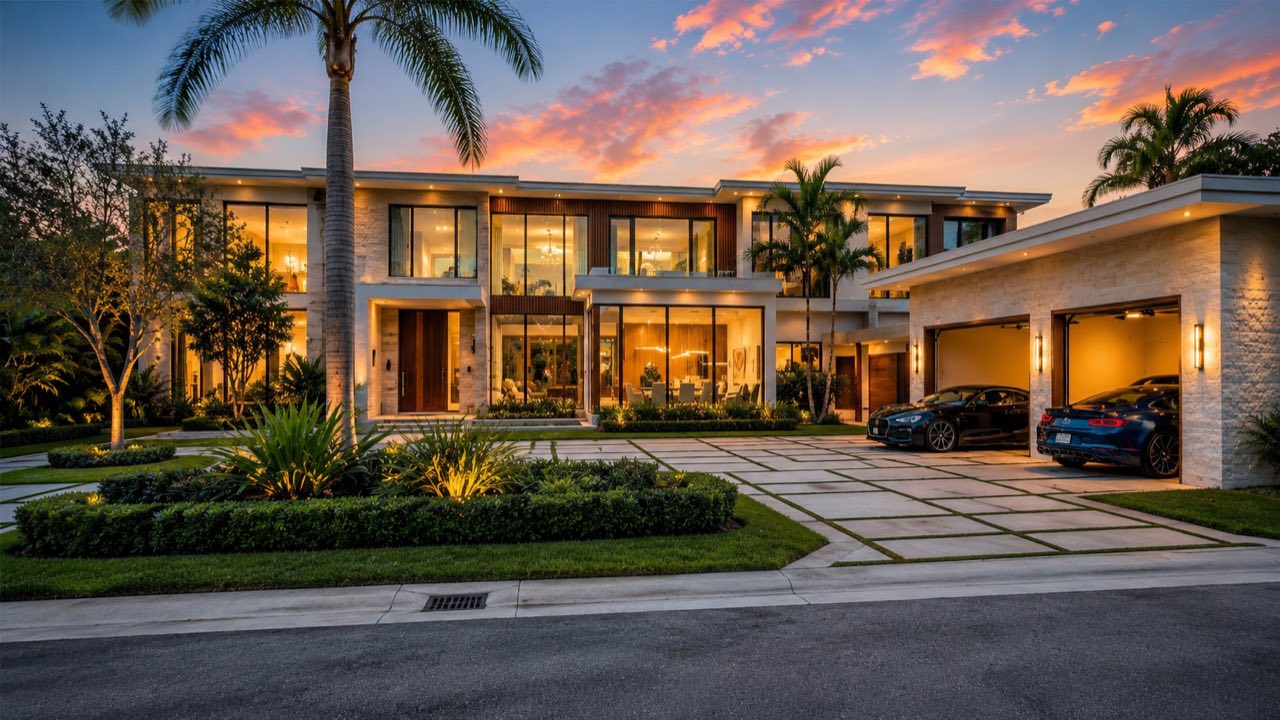
The best time to sell depends on local climate, school calendars, and buyer urgency, not a single national rule. In temperate markets like Charlotte or Seattle, late spring through early summer brings peak showings and competition. In Phoenix or Miami, fall and winter often outperform brutal summer heat. Cold-winter cities see activity collapse from Thanksgiving through February.
When does spring selling season peak in temperate climates?
In markets with four distinct seasons, late April through mid-June typically delivers the highest inventory turnover and the most competing buyers. Families with school-age children prioritize moves that close before the new academic year, and tax refunds land in bank accounts by early May. Longer daylight hours and blooming landscaping make homes show well, and buyers who waited out winter weather flood open houses.
The National Association of Realtors reports that listing volume and closed sales both peak in June across most of the United States, though the pattern varies by metro. Homes listed in May often receive multiple offers within the first two weeks, especially in supply-constrained neighborhoods. Sellers who price at or slightly below recent comparables can trigger bidding that pushes the final price above ask.
The trade-off is competition from other sellers. Spring inventory surges, so a poorly staged or overpriced home will sit while buyers tour fresher listings. If your home needs repairs or updates, launching in March or early April gives you a head start before the May wave arrives. Waiting until July means facing buyers who have already seen dozens of properties and may be fatigued or committed elsewhere.
Why do hot climates favor fall and winter listings?
In Phoenix, Las Vegas, Tucson, and parts of Southern California and Florida, summer heat above 100°F suppresses showings and curb appeal. Buyers avoid touring homes when air conditioning struggles and lawns turn brown. Fall temperatures in the 70s and 80s bring a surge of activity from September through November, and winter remains mild enough for comfortable showings through February.
Miami, Tampa, and Orlando see similar patterns. Snowbirds and retirees shopping for warm-weather homes arrive in October and stay through March, creating a winter peak that reverses the national trend. Inventory remains lower during these months than in spring, so well-priced homes face less competition. Buyers who relocate for work or retire on a fixed timeline will pay market price rather than wait for a theoretical summer discount.
Desert markets also benefit from January and February activity tied to Super Bowl tourism, spring training, and corporate relocations. If you list in late December, your home enters the market when out-of-state buyers are visiting family and scouting neighborhoods. Pricing remains critical; even in peak season, an overpriced listing will sit while buyers tour better values.
What happens to the market in winter in cold climates?
In markets with snow, ice, and sub-freezing temperatures from November through March, buyer activity drops sharply. Families avoid moving during the school year, curb appeal disappears under snow, and shorter daylight hours compress showing windows. Many agents report that December and January listings receive half the showings of May listings, and days on market stretch from thirty to sixty or more.
However, winter buyers are often highly motivated. Job relocations, divorces, estate settlements, and expired leases do not pause for weather. These buyers face thin inventory and less competition, so a well-priced, well-maintained home can sell quickly. Sellers who must move in winter should focus on interior staging, flexible showing schedules, and aggressive pricing rather than waiting months for spring.
The cost of waiting includes mortgage payments, property taxes, insurance, utilities, and maintenance. If those expenses total three thousand dollars per month, waiting four months to chase a theoretical five percent price premium only breaks even if your home is worth more than two hundred forty thousand dollars and the premium actually materializes. Many sellers lose money by waiting, especially if rates or local market conditions shift.
> As of October 2026, the best time to sell a house depends on regional climate and local buyer patterns rather than a single national calendar. In temperate four-season markets like Raleigh, Denver, or Columbus, late spring through early summer brings peak inventory turnover, the most competing buyers, and the shortest days on market. In hot climates such as Phoenix, Las Vegas, Miami, and parts of Southern California, fall and winter often outperform summer due to milder temperatures and snowbird migration. Cold-winter markets see activity collapse from November through February, but motivated winter buyers face less competition and will pay market price for well-maintained homes. This analysis applies to single-family residential sales and does not account for interest rate shifts, local economic disruptions, or individual property condition.
How do school calendars and tax refunds shape the spring market?
Families with school-age children strongly prefer closings that occur between late May and mid-August, allowing the move to happen during summer break. This preference concentrates buyer activity into a narrow window, creating urgency and competition. Buyers who wait until July face shrinking inventory and the pressure of an approaching school year, which can drive offers above asking price for turnkey homes in desirable districts.
Tax refunds arrive in most households between late March and early May, providing down-payment funds for first-time buyers and move-up purchasers. This liquidity boost coincides with improving weather and longer daylight, compounding the spring surge. Sellers who list in early April capture tax-refund buyers before they commit to other properties, while those who wait until June compete with a larger supply of listings.
The school-calendar effect weakens in metros with high concentrations of retirees, childless professionals, or year-round school systems. In these markets, summer and fall may perform as well as spring. Local MLS data and agent experience matter more than national averages when timing your listing.
Seasonality vs. pricing: which matters more?
Pricing correctly outweighs seasonality in almost every scenario. A home priced five percent below market in January will sell faster and often for more money than a home priced five percent above market in May. Buyers compare your listing to current competition, not to theoretical future inventory. Overpricing in peak season wastes the window when the most buyers are active, and price reductions after two weeks on market signal distress.
The first two weeks decide everything regardless of the month. Homes that generate showings and offers immediately benefit from buyer urgency and fear of missing out. Homes that sit for thirty days become stale, and buyers assume something is wrong. Seasonal timing can add ten or fifteen percent more showings in peak months, but pricing, condition, and staging determine whether those showings convert to offers.
If you must sell off-season, focus on the factors you control: deep-clean and stage every room, price at or below recent comparables, and accommodate evening and weekend showings. Winter and summer listings succeed when they offer clear value and convenience to the smaller pool of active buyers. Waiting for spring only makes sense if your home needs significant repairs or updates that cannot be completed quickly.
Timing your listing on AnyHomeSold
When you post your home on AnyHomeSold, up to ten licensed agents review your property details, market conditions, and timing, then submit sealed proposals that include their recommended list price, marketing plan, and commission structure. This process works in any season because agents compete on strategy and value rather than availability. You compare proposals side by side, interview finalists, and choose the agent whose plan fits your timeline and goals.
Seasonal timing becomes part of the strategy conversation. An experienced agent will explain how your local market behaves in the current month, whether waiting benefits you, and how to price for the buyer pool you will actually face. You avoid the pressure of a single agent pushing you to list immediately or wait for a theoretical premium. The competition among agents ensures you hear multiple perspectives grounded in recent comparable sales and days-on-market data.
Whether you list in February or June, see what your home may be worth and let agents compete to earn your business with a plan that fits your climate, your timeline, and your market.
Common questions
Does spring always bring the highest home prices?
Spring typically brings the most competing buyers in temperate climates, which can drive prices up. However, in desert markets like Phoenix or Las Vegas, spring heat reduces showings, and fall or winter may yield stronger offers. Local climate matters more than the calendar.
Should I wait for spring if I need to sell in winter?
Waiting costs you months of ownership expense and risks a rate or market shift. Winter buyers are often serious and face less competition, so pricing correctly can yield a faster sale. If you need to move, list now rather than gambling on a theoretical spring premium.
How much does selling season affect days on market?
In many markets, homes listed in May or June sell ten to twenty days faster than December listings, according to regional MLS data. The gap narrows in mild-winter cities. Pricing and condition still matter more than the month; an overpriced spring listing will sit longer than a well-priced winter one.
Related posts